Dental Copings
Copings are used by prosthodontists in cases where the tooth crown is so severely damaged that preparing it for a conventional crown is no longer possible.
Copings are used when the natural crown of a tooth is so severely destroyed that it cannot be prepared for a conventional crown. If the tooth roots remain healthy and treatable, a coping provides a stable foundation for further prosthetic work.
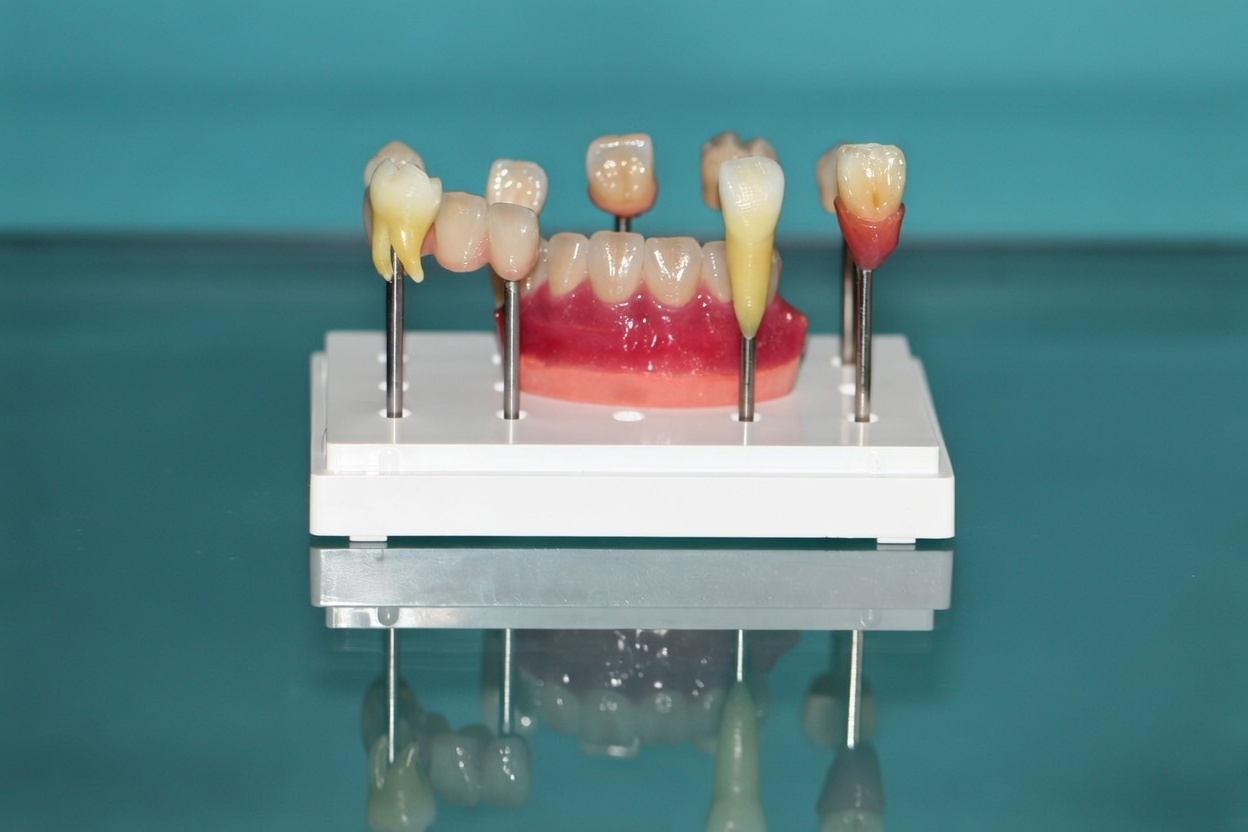
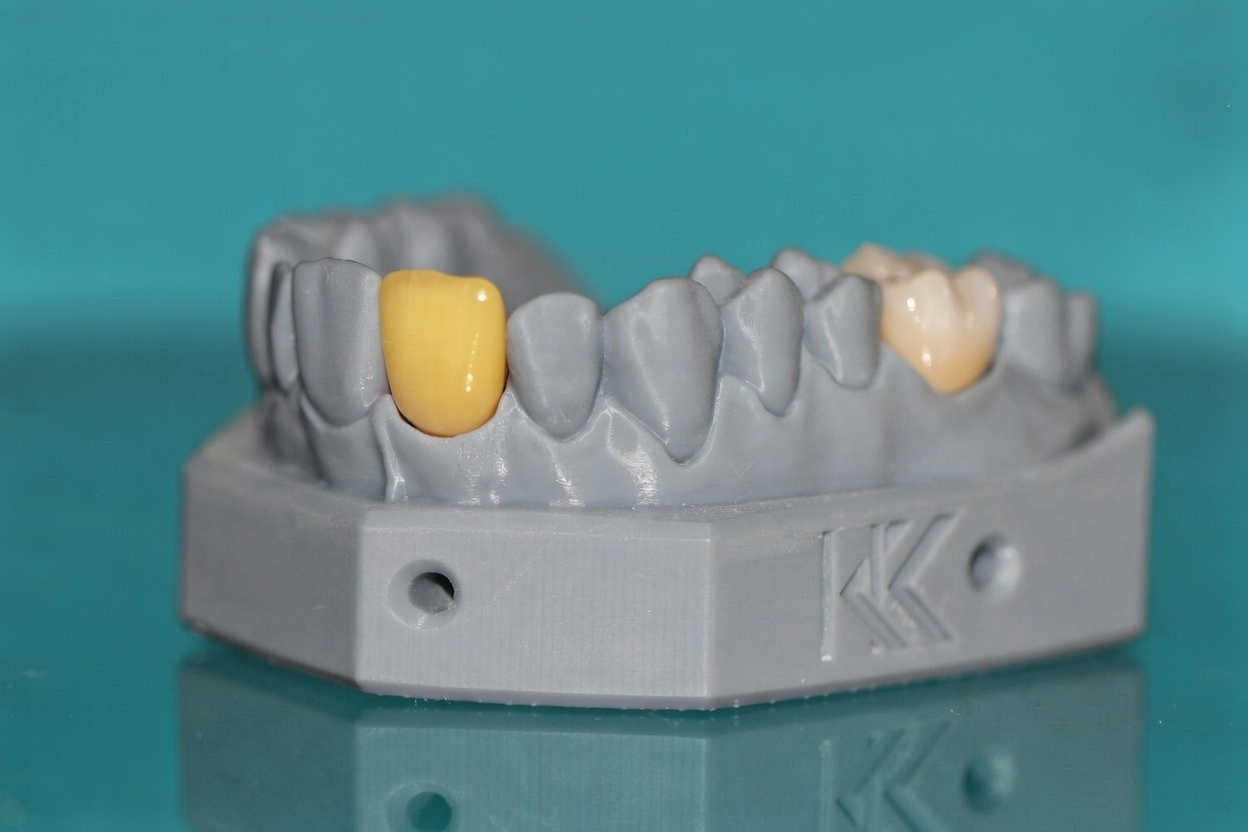
These substructures may be solid (cast) or sectional and can be fabricated from various materials, including metal alloys or ceramics, depending on the type of final non-removable restoration.
Several types of copings exist based on material choice. Titanium–zirconium and precious metal copings offer excellent biocompatibility, strength, and aesthetics without causing allergic reactions. Cobalt–chromium copings provide a reliable, cost-effective option but may present allergenic potential. Ceramic copings deliver superior aesthetics but lower durability, making them suitable mainly for anterior teeth. Metal-ceramic copings combine a strong metal framework with an aesthetic ceramic exterior, while composite copings offer attractive esthetic properties for select indications.
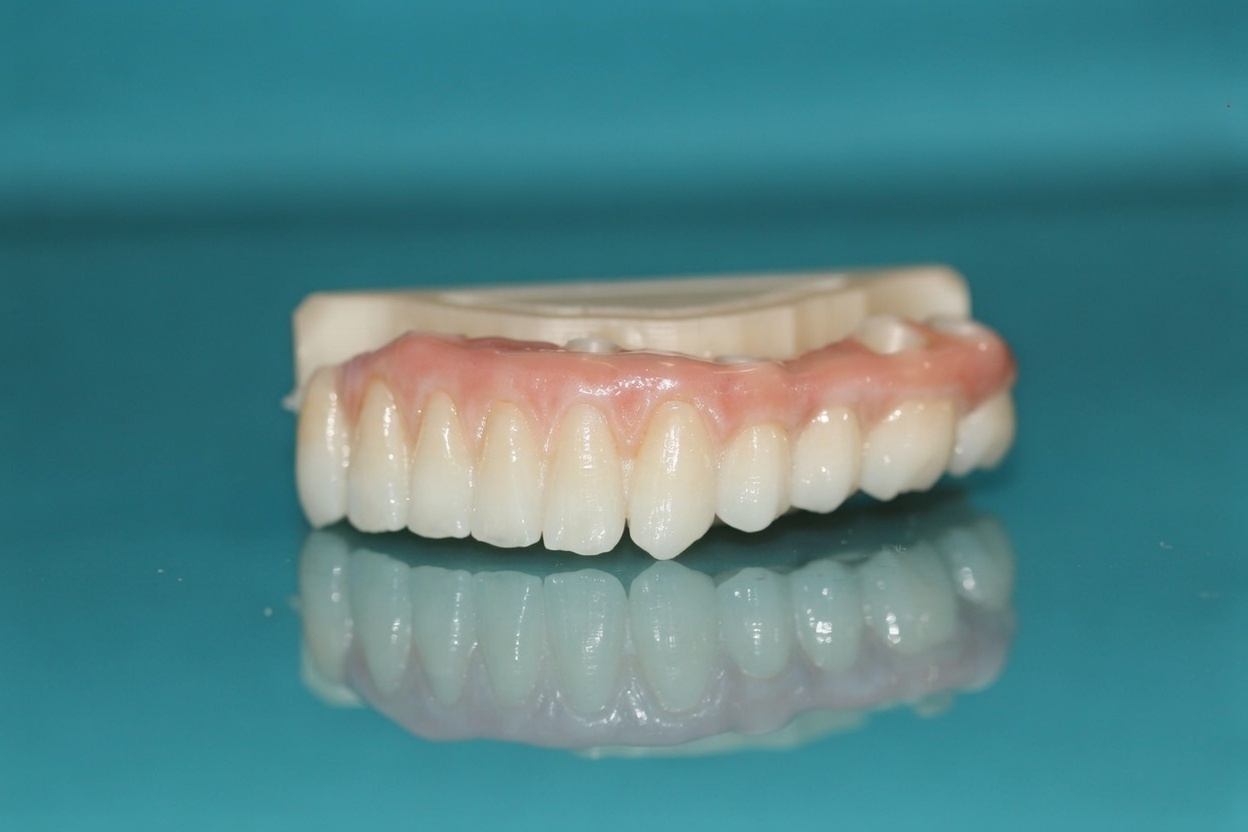
Copings create a dependable structure for crowns and other fixed prosthetics, ensuring longevity and functional stability even in cases of severe tooth destruction.
Advantages of Copings
Restores Severely Damaged Teeth
Provides Strong Core Support
Excellent Retention
Long Service Life
Versatile Material Options
High Biocompatibility
Enhanced Aesthetics
Customizable for Each Case